Differing Bible Translations: a range not a race
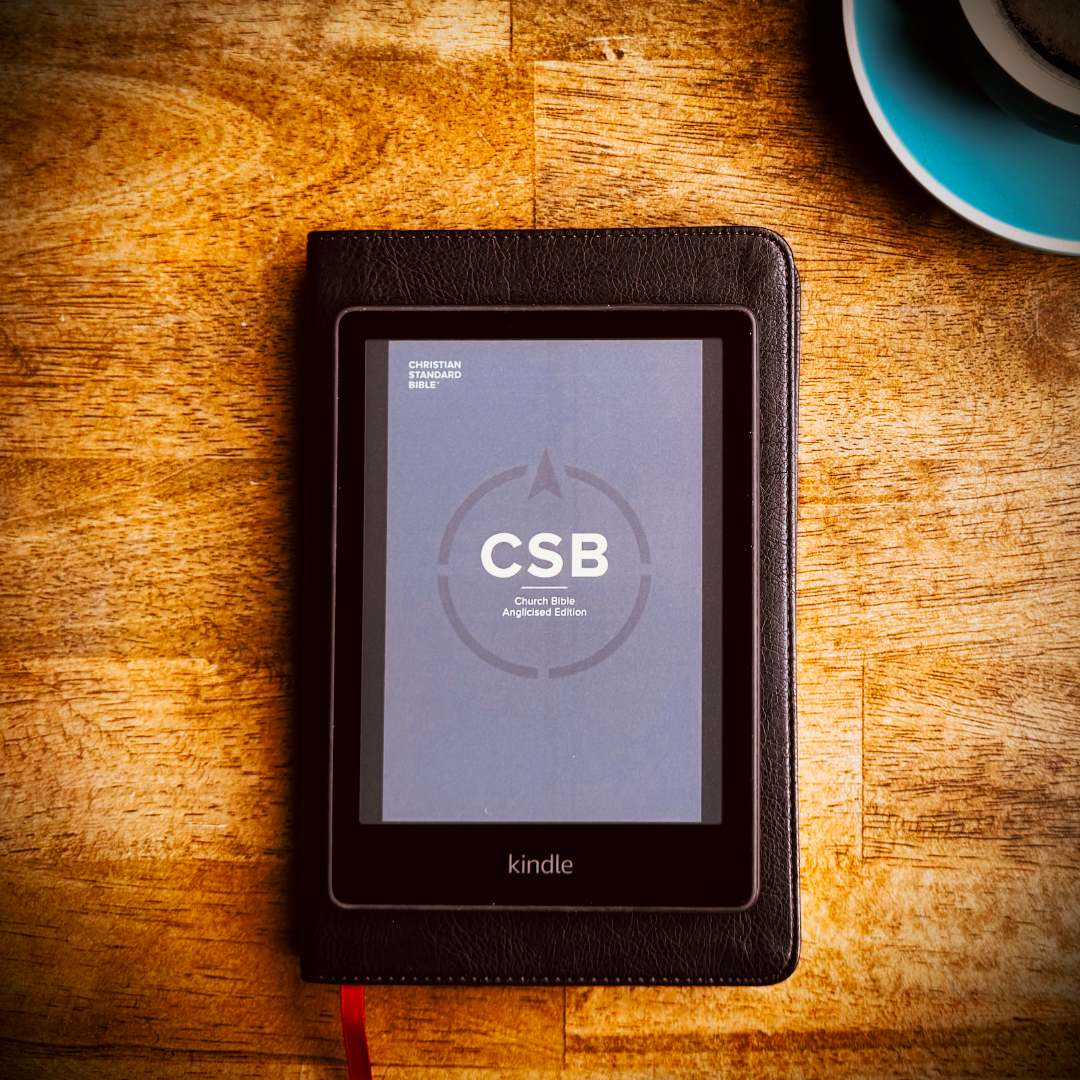
A number of years ago, Grace Publications had the privilege of anglicising the Christian Standard Bible. Part of our ongoing work is to commend this excellent translation to individuals and churches for private devotion and public worship. Over the next few weeks we want to share some of the heart issues that should inform how we decide which Bible version is best for us.
Too often, conversations about different Bible versions can sound like publishing houses and translation philosophies are engaged in a race to gain readers. That competitive mindset can lead people not only to highlight the benefits of the version they prefer but to simultaneously cast shade on other translations. This is deeply unfortunate. In the English-speaking world, we enjoy an embarrassment of riches when it comes to Bibles. Not only do we have options across the translation spectrum, but even within those categories and philosophies, we have a wide variety of editions to choose from.
It would be naïve and misguided for any Bible publisher to believe that their version will be the only Bible that readers will adopt for personal study, devotion and public worship. While we might make the case for the CSB Anglicised to be your main version across these uses, we are persuaded that having a range of different Bibles in your library, in your head and in your heart can only be to your benefit.
As ordinary readers, few of us possess knowledge of the biblical languages of Hebrew, Aramaic and Greek, and even where we have a grounding or smattering, these are likely to fall far short of the expertise that comes to the table when a serious Bible translation is undertaken. Being able to read from different Bibles within the same section of the spectrum as well as across the spectrum can only be to our benefit.
As a publisher, the majority of our most recent books have used the CSBA as their textual base, but our expectation is that any author who is seriously interacting with the text of the Bible will need to refer to other versions from time to time. The same goes for ordinary Bible readers, preachers and scholars – being able to access a range of Bible translations is symptomatic of one of the privileges the English language enjoys, and we should make the most of this.
Thinking through the comparative strengths, weaknesses and emphases of different versions does not invite us into a race, but into the range of rich Bible translations that the English language enjoys. The CSB Anglicised brings specific benefits to the table for all who use it, formally and informally, publicly and privately, and we are glad to champion those to all potential users. We do this, however, in a spirit of humility and charity, rejoicing that the CSBA takes its place within a range of wonderful translations available in English today.